You might have heard of the phrase “computational thinking” in the context of computer science education. Computational thinking uses concepts and practices from computer science like “debugging” or “abstraction” to understand the world and solve problems.
Our Creative Communities research group along with partners that include the Tinkering Studio at the Exploratorium, the ideaLAB makerspace network at Denver Public Libraries, and the Lifelong Kindergarten group at the MIT Media have been engaging youth, families, and educators in computational thinking through an approach we’ve called “computational tinkering”.
Computational tinkering aims to broaden the ways that people engage with computing by providing a more social, physical, playful, and cross-disciplinary alternative to more dominant ways of teaching computing that focus on planning and optimization of a single solution.
Qualities of Computational Tinkering
For several years, we have been exploring the possibilities of engaging youth and families in computational tinkering by co-designing with our education partners and developing activities, exploring materials and technologies, and sharing broadly with other educators.
These qualities have been essential to the computational tinkering experience:
Social–Computational tinkering is not just an individual experience. We share with and are inspired by others and often work directly with other people in a socially supportive setting.
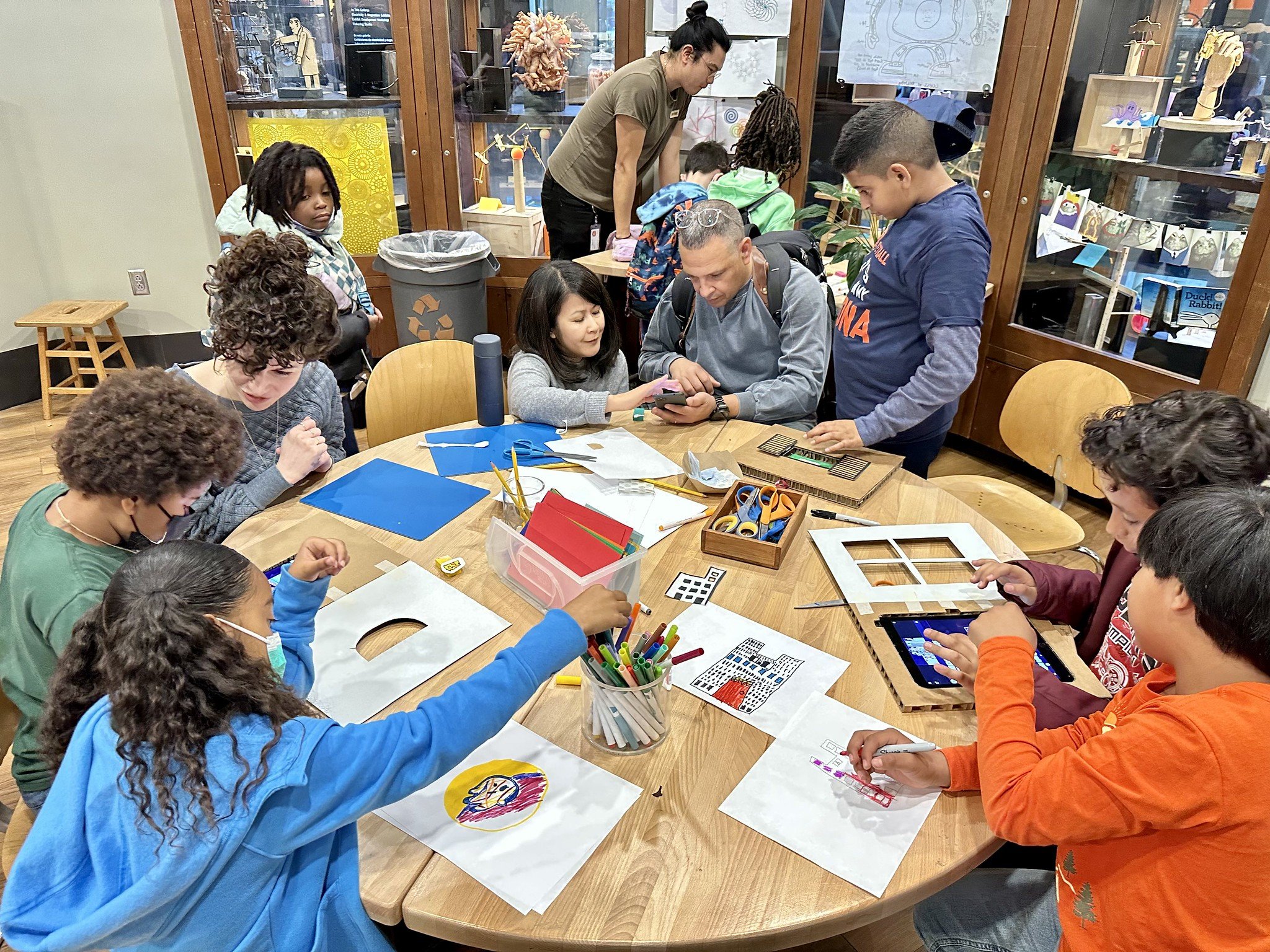
Image credit: The Tinkering Studio on Flickr
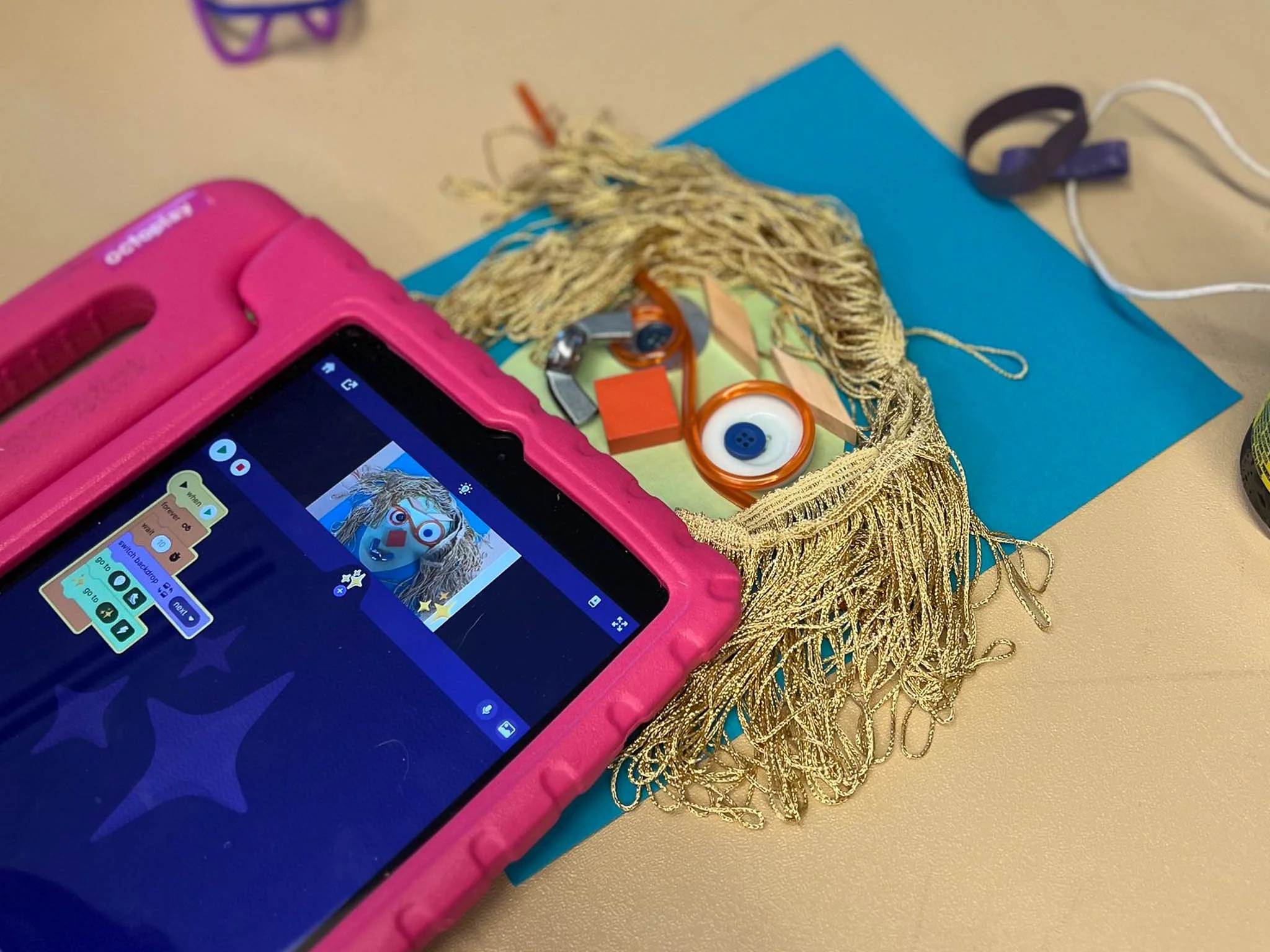
Image credit: The Tinkering Studio on Flickr
Physical–Computational tinkering activities go beyond the computer screen. We treat computational technologies like computer coding and microcontrollers as another material alongside artistic and craft materials like cardboard and paint
Cross-disciplinary–Computational tinkering isn’t focused solely on learning how to code. Topics like art and science can be combined with computing in interesting ways where all disciplines are equally valued.
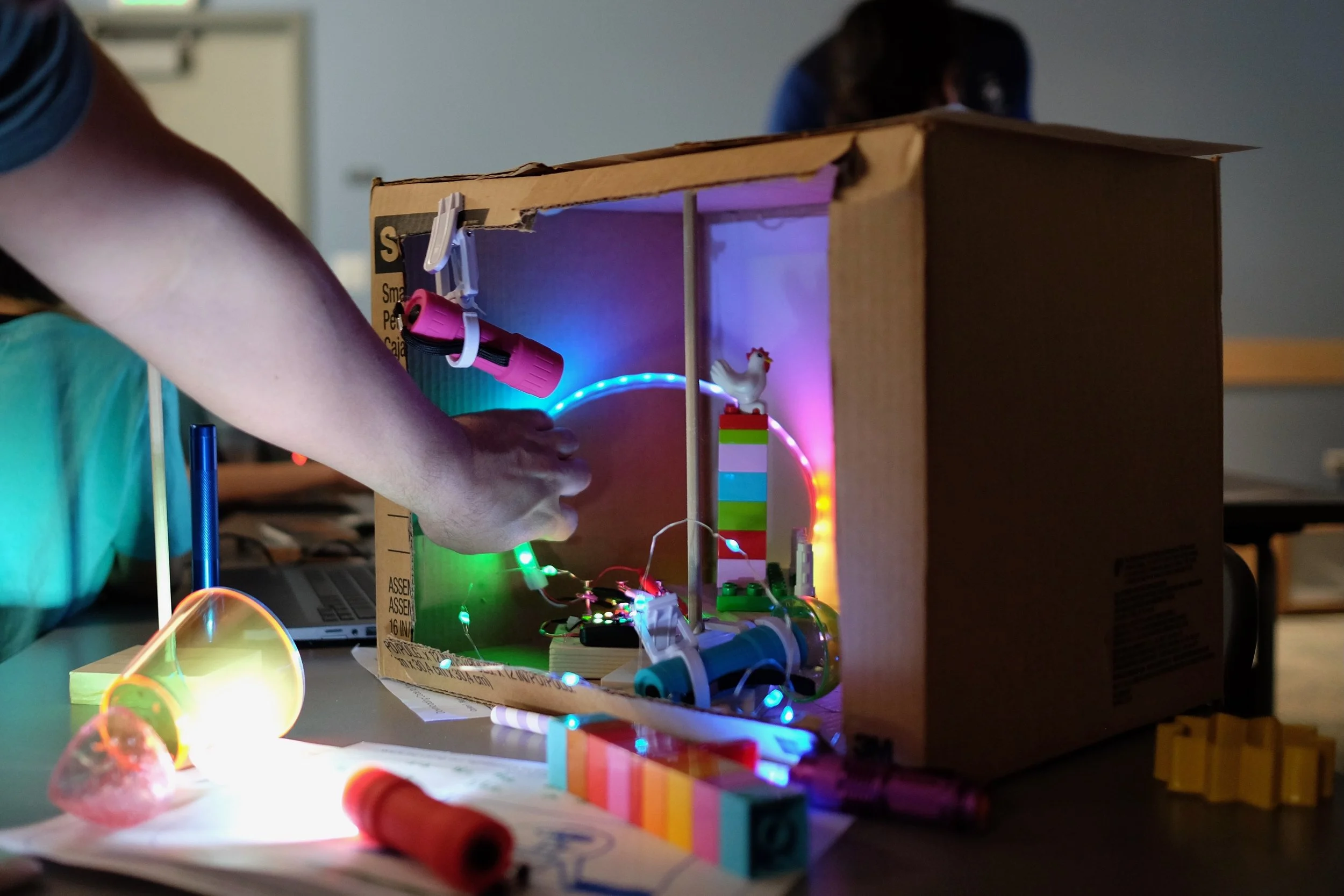
Image credit: Creative Communities group
Tinkering–We emphasize “tinkering” to highlight the exploratory, experimental, and playful ways that we approach and explore computing as opposed to more rigidly structured or step-by-step methods.
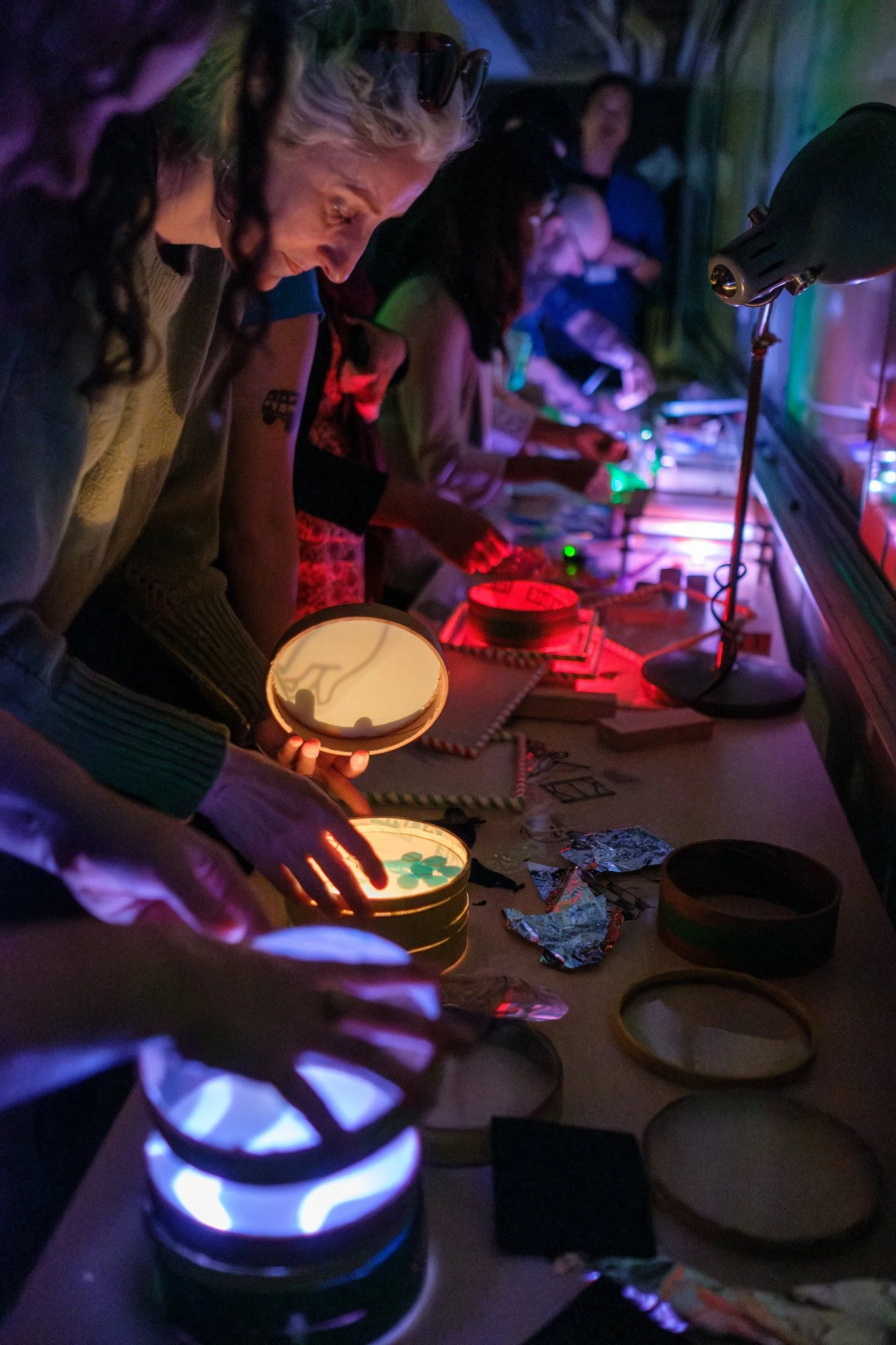
Image credit: The Tinkering Studio on Flickr
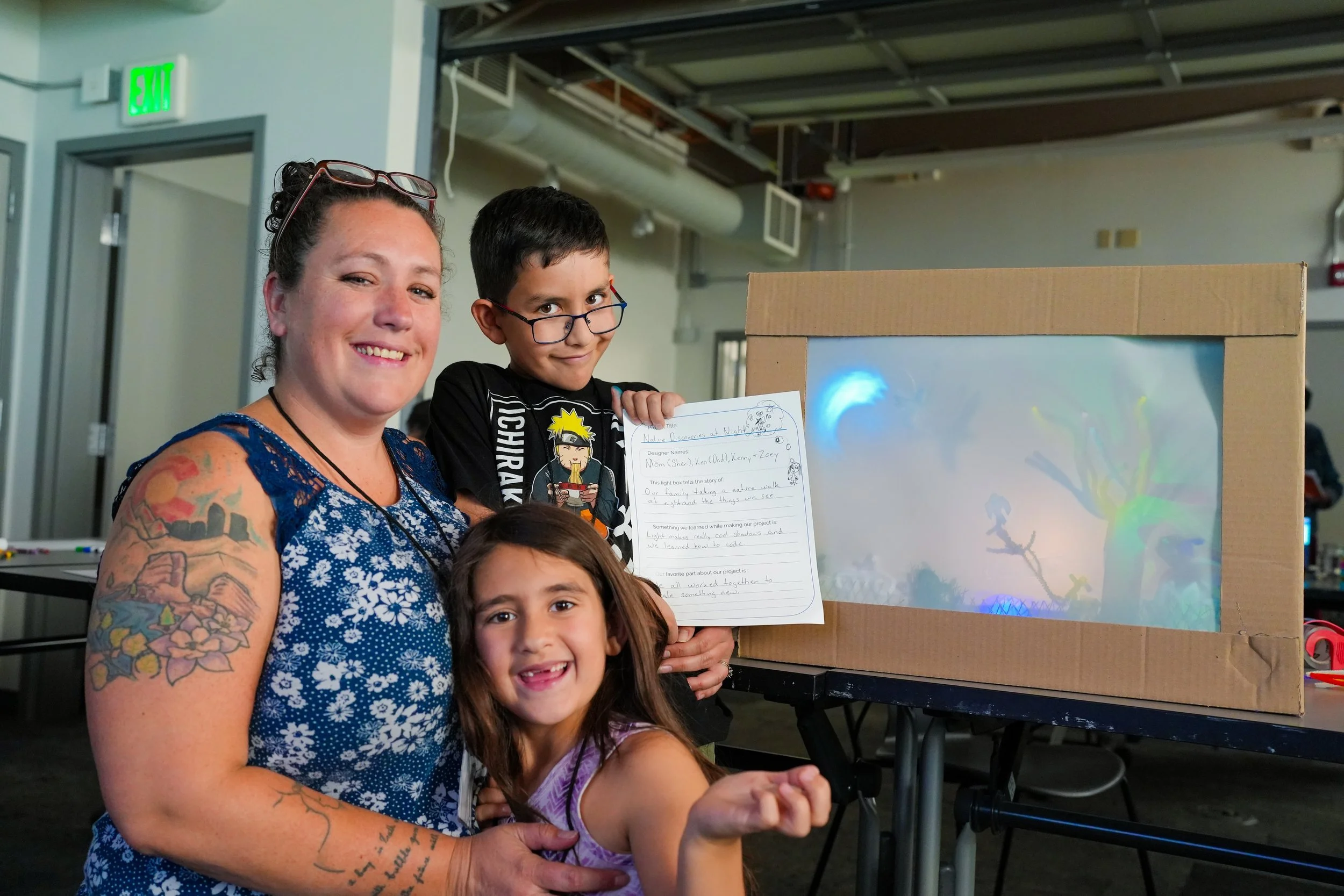
Image credit: Creative Communities group
Personally and culturally relevant–Learning to code is not the end goal as much as supporting youth and families to use computing to create things they care about, to connect with their interests and their backgrounds, and to share what they imagine and create with their community.
Examples of Computational Tinkering Activities
We find that looking at (or even better, trying out) examples of computational tinkering activities and experiences is helpful for clarifying what we mean by computational tinkering. Here are a couple computational tinkering activities we developed:
Tinker with a View
“Use cardboard, code, and your imagination to share what you see! Create a frame and use OctoStudio to code an interactive scene or story that shares a window into your world.”
Why we like this example:
This activity blends the physical and digital world in a playful way that encourages tinkering with both to create an experience that feels magical and immersive
The cardboard structures in this activity can lend themselves well to social and communal making – lots of makers can collaborate to create interactive cities, houses, and more
The activity support storytelling across mediums as participants often share stories about their "views” and the interactions in across the physical and digital worlds
Mark Making Machines
This activity is a variation of the “Scribbling Machines” activity from the Tinkering Studio. In the computational tinkering version of this activity, we included programmable electronic components like motors and sensors. We’ve tried this activity out with our library makerspace partners, and we also invited people to create with us and share their results online.
This blog post illustrates some fun examples of mark making machines, how to create them, and what we’re still figuring out.
Why we like this example:
It brings together physical and computational materials like cardboard, recycled containers, code, and programmable motors in a way that values each of the materials
There’s no single “right” way to create a mark-making machine, or to program a mark-making machine. This activity values experimentation, tinkering, and trying new ideas out
We love how the machines can evoke surprise and delight from participants as their mark making machines whirl and interact with each other
Continual exploration
We created a suite of activities and resources to support educators in adapting and developing their own experiences through our Facilitating Computational Tinkering project. In the spirit of playful exploration, we are constantly tinkering with computational tinkering as we develop new activities, experiment with new materials, and engage in new partnerships. For example, as part of a NSF-funded project, we have been collaborating with Corinne Takara of Nest Makerspace in O’ahu, HI to explore what computational tinkering might mean in her community context where she has been supporting youth and families in connecting with Hawaiian ancestral practices and dreaming of abundant futures with the natural material around them.
We will continue to share our explorations in our blog, newsletter, and our instagram.
These materials are based upon work supported by the National Science Foundation under Grants No. (2441997, 2005764, 1908351)